
「stipendiary」の意味(adjective)
品詞(英単語での分類):形容詞
イギリス【聖職者や治安判事は一定の収入を得る】意味として使われています。
和訳:【奨学金】
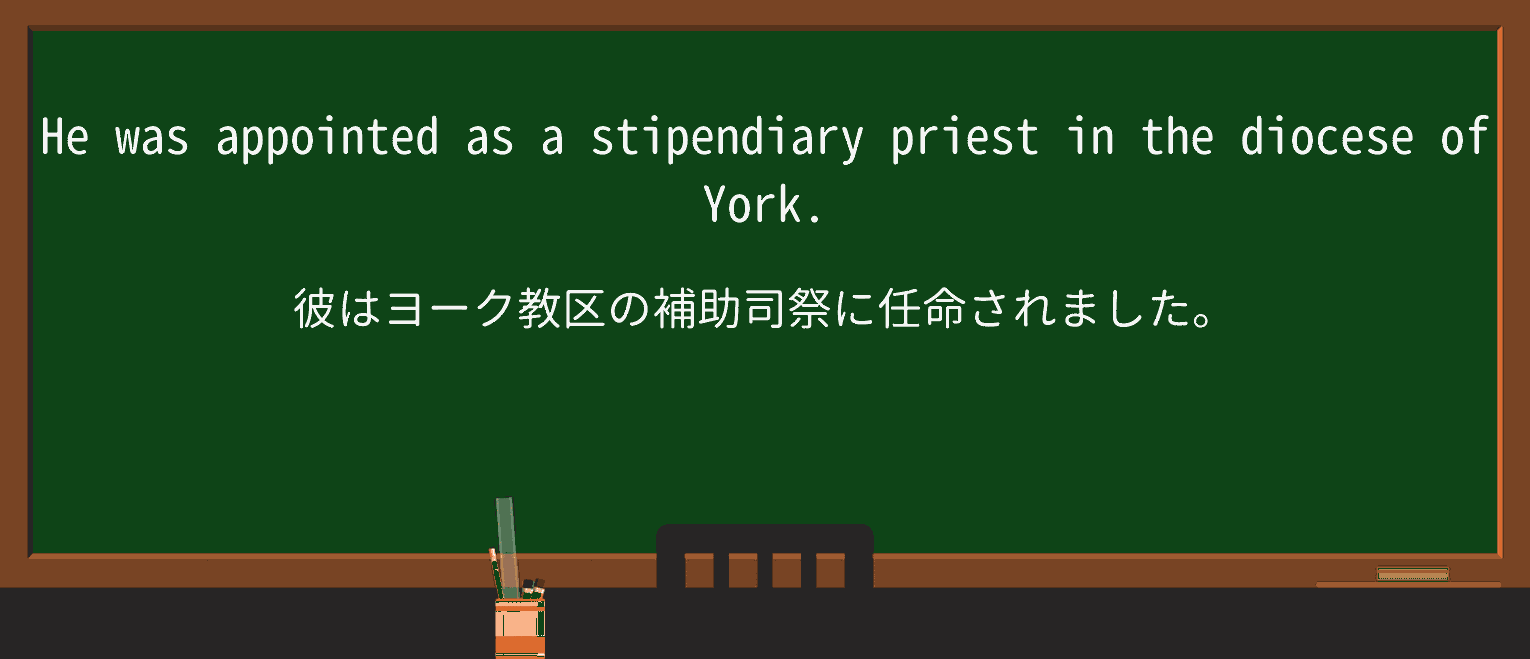
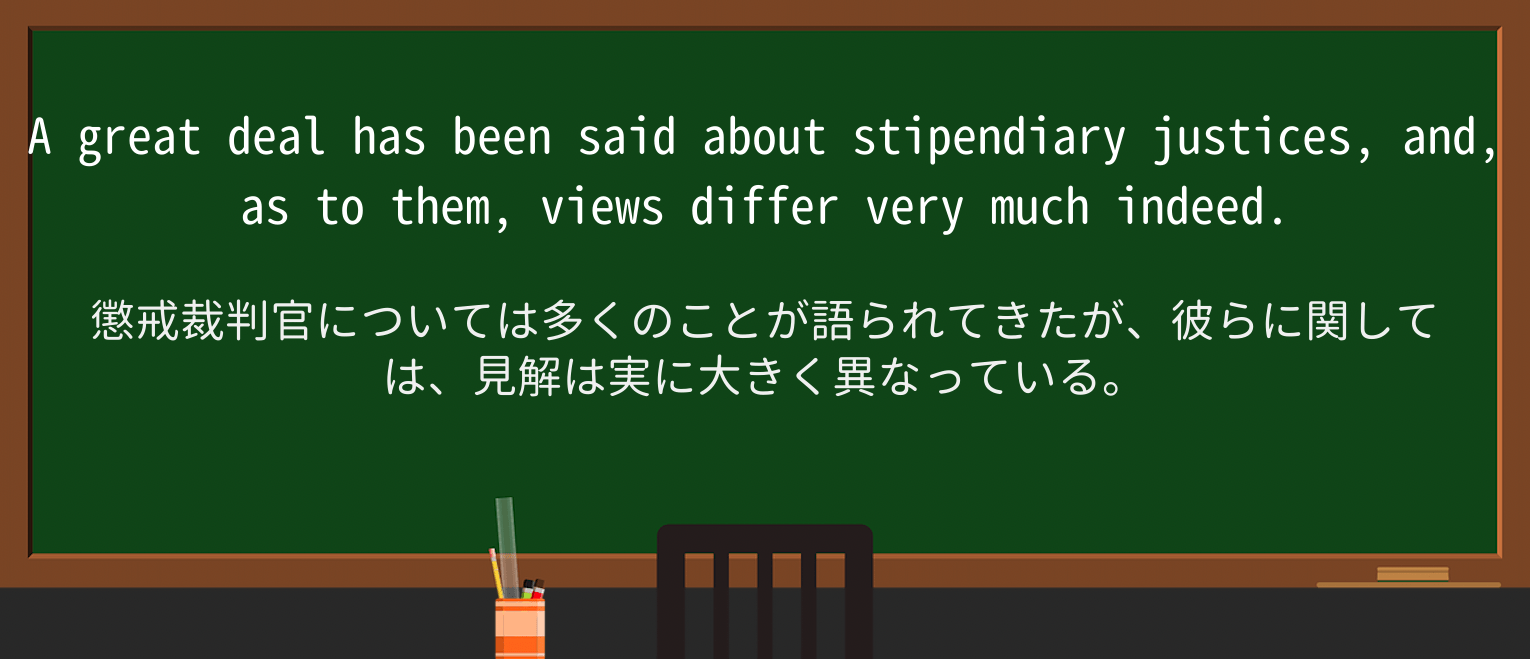
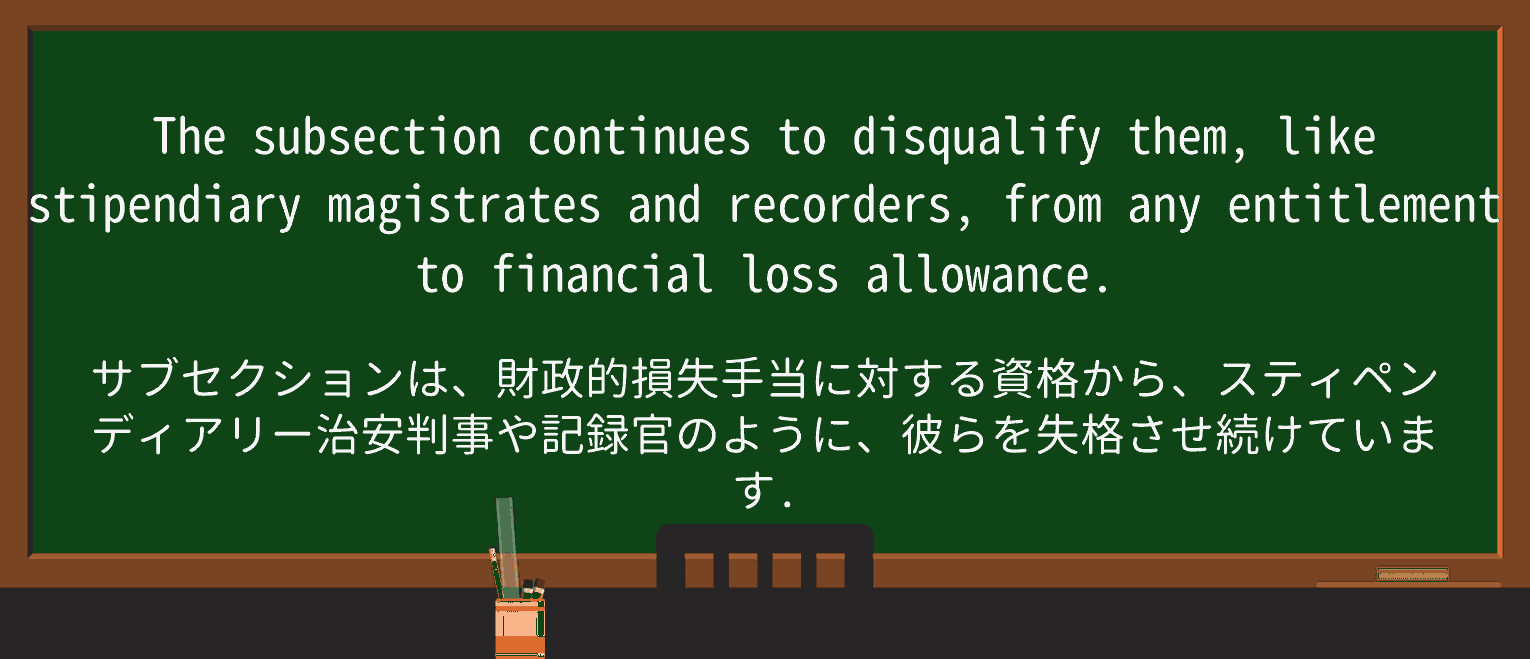
参考:「stipendiary」の例文一覧
「stipendiary」のネイティブ発音(読み方)を聞きましょう!
読み方は【staɪˈpen.di.ə.ri】です。下記動画を聞きながらstaɪˈpen.di.ə.riを大声で発音しましょう
【絶対聞こう】アメリカ人が「stipendiary」の意味について解説】!
「stipendiary」の類語一覧です。順番に覚えましょう!
- abject
- beggarly
- brown-nosing
- complacent
- compliable
- compliant
- cringing
- crouching
- deferential
- enslaved
- fawning
- flattering
- ingratiating
- kowtowing
- menial
- obeisant
- oily
- parasitic
- parasitical
- prostrate
- respectful
- servile
- slavish
- sneaking
- sniveling
- spineless
- subject
- submissive
- subordinate
- subservient
- sycophantic
- toadying
- unctuous
対義語・反対語一覧を覚えることで、stipendiaryの単語を使いこなしましょう!
「stipendiary」は複数の異なる意味を持った英単語です。それぞれの意味と使い方などを例文から解説しましょう!
| 英語 | 意味(和訳) | 詳しく解説! |
| stipendiary | 俸給[年金]を受けている、有給の | (relating to a stipend) |
stipendiaryの実際の意味・ニュアンスを理解して、正しく使いましょう!
Meanwhile, Dr. Sakamura served as a special stipendiary graduate student for approximately 2 years between December 1916 and August 1918, which overlaps with the season during which Dr. Sakamura determined wheat chromosome number, prepared the paper, and conducted interspecies hybridization between tetraploid and hexaploid wheat species.
因に、坂村博士が大学院特選給費生であった期間は1916年12月∼1918年8月の約2年間であり、坂村博士がコムギの染色体数決定とその論文の準備および4倍性x6倍性の種間交配を行った時期に重なるので、長期に亘り東大の藤井博士のもとで研究に従事することは不可能であったはずである。
According to a document titled “The history of Laboratory of Crop Physiology,” written by Dr. Yozo Okazawa (professor at the School of Agriculture, Hokkaido University, at that time), “After graduating from the School of Agriculture, Associate Prof. Sakamura researched wheat chromosomes at the Cytology Laboratory in the Tokyo Imperial University under Prof. Kenjiro Fujii as a special stipendiary graduate student.”
岡澤養三博士(当時、北大農学部教授)の作物生理学講座史と題する原稿に、坂村助教授は農学部卒業後、大学院特別給費生として東京帝国大学細胞学研究室において藤井健次郎教授のもとでコムギの染色体に関する研究に従事していた。と記されている。
This system is believed to have been introduced for such reasons as securing a well-balanced real income in proportion to the fertility of land and tax rate, inhibiting hatamoto from exercising their right to chigyo-chi, and preventing villagers from uniting by dividing the village with the presence of several small-stipendiary chigyo-tori (recipients of land revenue).
この制度導入の背景には土地の良し悪しや年貢率による実収とのバランス、旗本による知行権行使の抑制、小禄知行取の存在、村を分断して農民たちの団結を防ぐなどが言われている。
目次
隠す