
「demesne」の意味(noun)
品詞(英単語での分類):名詞
古い使用
【誰かが所有し管理している土地の範囲】意味として使われています。
和訳:【領地】
古い使用
【荘園(=大邸宅)に属する土地】意味として使われています。
文学
【人が支配する場所または活動の一部】意味として使われています。
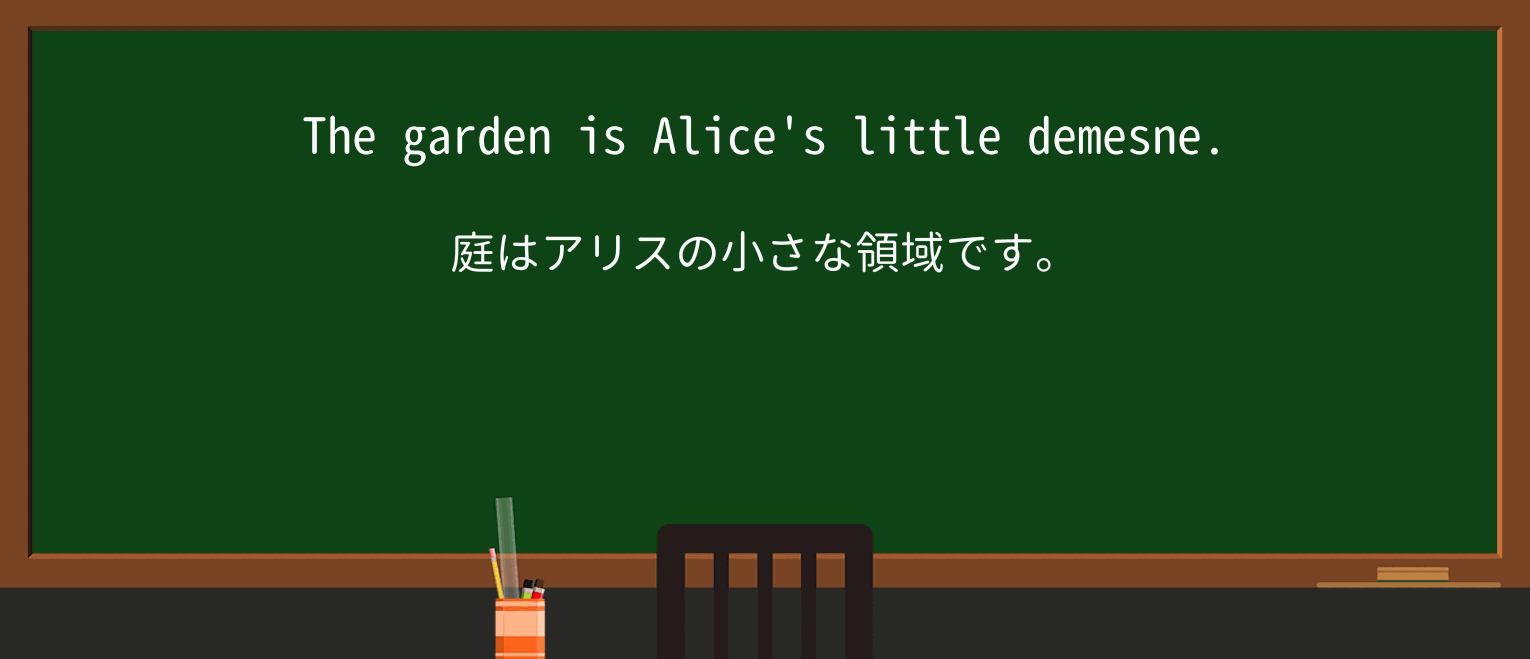
参考:「demesne」の例文一覧
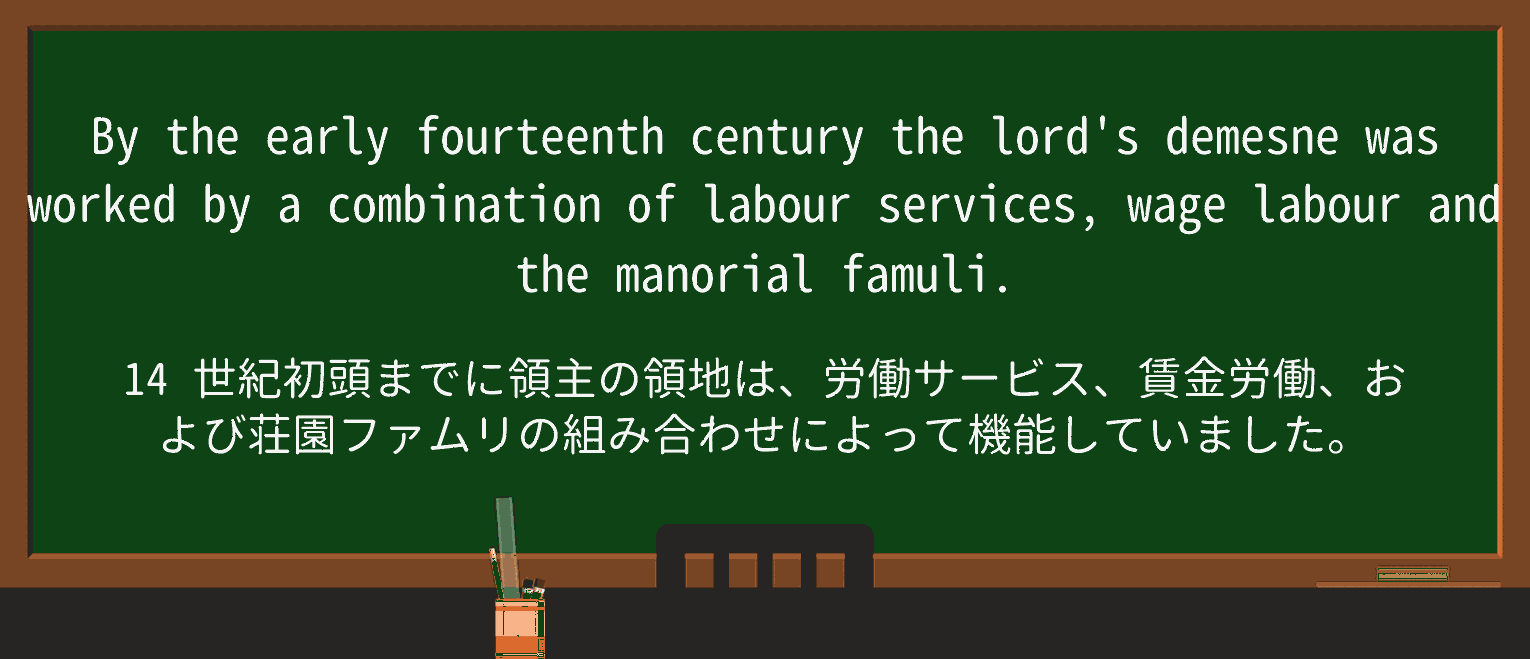
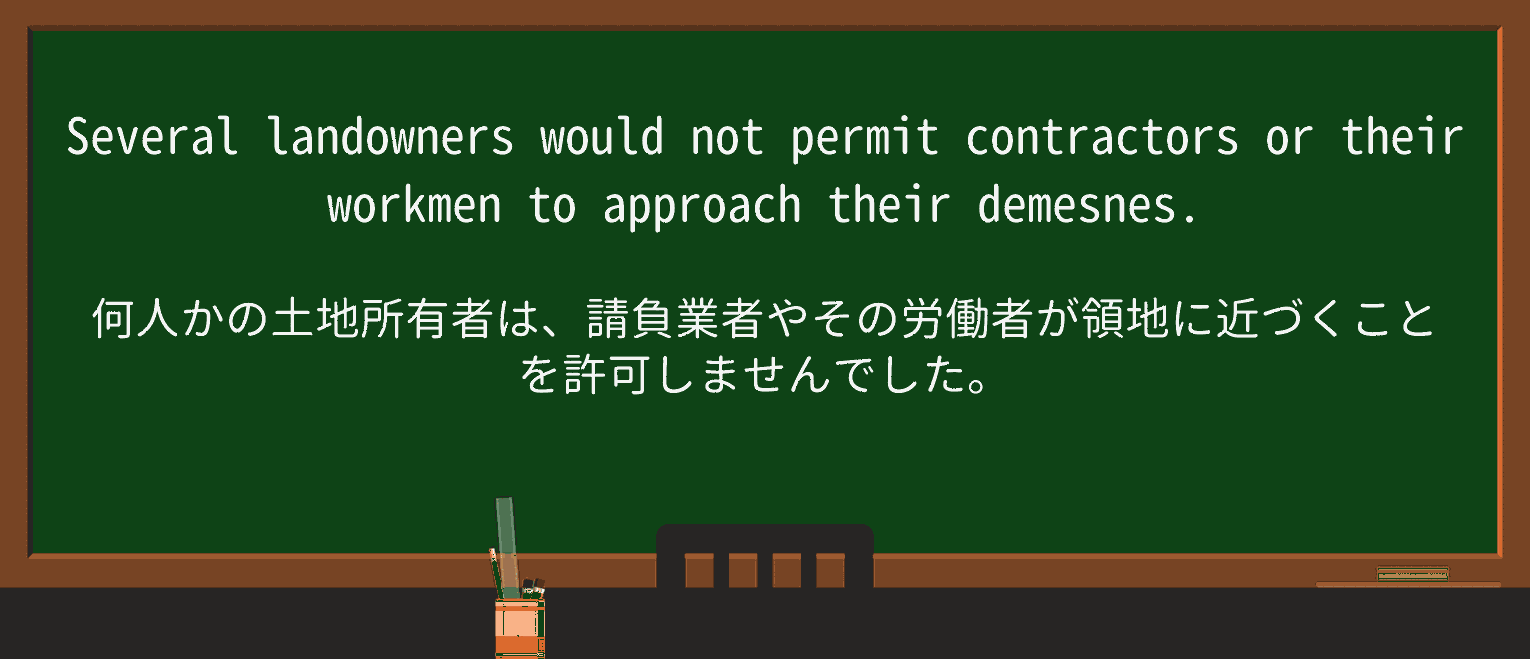
「demesne」のネイティブ発音(読み方)を聞きましょう!
読み方は【dɪˈmeɪn】です。下記動画を聞きながらdɪˈmeɪnを大声で発音しましょう
【絶対聞こう】アメリカ人が「demesne」の意味について解説】!
「demesne」の類語一覧です。順番に覚えましょう!
対義語・反対語一覧を覚えることで、demesneの単語を使いこなしましょう!
「demesne」は複数の異なる意味を持った英単語です。それぞれの意味と使い方などを例文から解説しましょう!
| 英語 | 意味(和訳) | 詳しく解説! |
| demesne | (土地の)占有、保有 | (law: land ownership) ( 法律 ) |
demesneの実際の意味・ニュアンス(領地?占有地?しゆうち?私有地?)を理解して、正しく使いましょう!
“Nippo Jisho” (Japanese-Portuguese dictionary) defines goryosho as royal estates, or a king’s private demesne and land.
なお、『日葡辞書』においては、王位に付属する領地、すなわち、国王の私有の領地や土地と定義している。
Chikaie broke two of the antlers together and impressed Sanetomo and all others that were present, the feat of which allowed him to be exempted from the punishment and to newly obtain a demesne in Kii Province.
親家はこれを2本同時に折って見せ、実朝と列座していた一同を関心させ、その罪を許されて、紀伊国の領地を与えられた。
The consequences were that only those with a right to be buried next to the old church within the Demesne could claim these rights thereafter.
その結果、占有地の中の古い教会に埋葬される予定の権利を持つわずかの人々のみがこれらの権利を主張できることになった。
Within the royal demesne, Normandy retained certain distinctive features.
王領の内、ノルマンディーは幾つかの独自性を保持していた。
After arriving at Gojo City, the bakufu’s demesne, Tenchu-gumi decided to attack the local magistrate’s office.
幕府天領の五條市に到着した天誅組は、代官所を襲撃することを決める。
Nagasaki was regarded as a shogunal demesne, where trade was carried on under the direct control of the Bakufu.
長崎は幕府の天領として幕府の直接管理で貿易がおこなわれた。
And Otsu-juku (a shogunal demesne), a posting station of Tokai-do Road, flourished in transport of goods and traffic of people.
また東海道の宿場である大津宿(天領)は、物資運送と人々の往来で繁栄。
In the Edo period (1603-1867), it became a shogunal demesne and flourished as one of the largest silver mines in the world.
江戸時代になって幕府天領となり、世界有数の銀山として繁栄。
Subsequently, together with Nagayasu ODA, the lord of Shibamura Domain in Yamato Province, he was in charge of controlling the old shogunal demesne.
その後、大和国芝村藩主・織田長易と共に大和における旧幕領の取締りを行なった。
Kuramae nyuyo was one of the three major taxes called Takagakari Sanyaku that were imposed on the direct control territories of the Edo bakufu (Shogunal demesne) during Edo period.
蔵前入用(くらまえにゅうよう)とは、江戸時代に江戸幕府直轄領(天領)に対してかけられた高掛三役と呼ばれる特別税のうちの一つ。
Unlike a domain, a magistrate’s office of a shogunal demesne controlled a wider area and armaments were relatively weak, in fact at the time when the Tenchugumi raised an army, the magistrate’s office in Gojo was occupied by just about forty roshi.
藩と違い、天領の代官所は広い地域を支配している割には軍備が手薄であり、天誅組の挙兵の際も五条代官所は40人程の浪士に占領されている。
This achievement at the time of the Siege of Osaka was also taken into consideration; when times changed to the Edo period, Totsukawa became the Shogun’s demesne where land tax was exempted under the Gojo magistrate office in Yamato Province, and people were allowed to call themselves goshi (country samurai).
この功も合わせて、江戸時代に入っても大和の五條代官所の下で天領となり免租され、住民は郷士と名乗ることを許された。
His life was spared only because of his great muscular strength, and he was even given a demesne although he was originally with the enemy’s side (what Chikaie showed was a muscular feat, not a military art).
大力と言う理由だけで助命されたうえ、敵兵でありながら領地まで与えられた(何度も記すが、親家が見せたのは、武芸ではなく、力芸である)。
He is also known as a person who offered his demesne at the present-day Imadegawa Campus of Doshisha University to cooperate with Joseph Hardy Neesima (Joe NIIJIMA) who founded Doshisha English School (present-day Doshisha University).
また、同志社英学校(現同志社大学)の創立者新島襄の協力者として、現在の同志社大学今出川校地の敷地を譲った人物としても知られている。
However, under the Toyotomi regime and the Edo bakufu (Japanese feudal government headed by a shogun), the domain no longer benefited from the profits of this trade because Nagasaki became a demesne of the central government.
しかし豊臣政権・江戸幕府と長崎は中央政権直轄領となり、貿易利潤を喪失することとなった。
As described above, it managed administration and justice in Kyoto, justice in the four neighboring provinces as well as administration of the shogunate demesne, and controlled temple and shrine territories (excluding monzeki temples (temples of high rank where members of imperial family and nobility enter the priesthood)).
前述のように京都の行政・裁判の他、周辺4ヶ国の裁判・天領の行政及び寺社領の支配(ただし、門跡寺院は除く)を行った。
Examples are trials between different social status such as samurai and common people, or the plaintiff and defendant having different lords, such as trials between the Edo townspeople and people of religion controlled by the Jisha-bugyo and between people of the shogun’s demesne and people of the land of domains.
武士と庶民のような身分違いと町奉行所管轄の江戸の町民と寺社奉行所管轄の宗教者の裁判、天領の領民と藩領民など原告と被告の領主が異なる場合である。
Though shogunal demesne and many domains purchased masu from their Masu-za to distribute in their own territories, some of the major historic domains held firmly to their ancestral masu, while others ordered their designated Masu-za, most of whom were merchants in the domain, to manufacture masu identical to kyo-masu, thus refusing the orders from the shogunate government; this custom is called ‘han-masu’ (masu of the domain).
天領や多くの藩では枡座から購入して自領に流通させていたが、歴史ある大藩の中には自藩伝来の枡を固守したり、京枡と同一の枡を自藩もしくは自藩指定の枡座(多くは藩内の商人)に製造させたりするなど独自の藩法に基づく枡を用いて幕府の命令を拒絶した(藩枡)。
This did not emancipate Buraku problem (issue of discrimination against certain hamlets) from discrimination, in reverse the living standard of those Buraku (hamlets) declined because Buraku people lost the exclusive rights of non tax treatment of their demesne and acquisition of carcasses that they had enjoyed since Edo period and the service of life bettering was not carried out which was planned by OKI.
これによって部落問題が差別から解放されたわけではなく、むしろ江戸時代に有していた所有地の無税扱や死牛馬取得権などの独占権を喪失した事、大木の構想した生活改善事業も行われなかった事により、部落の生活水準は下降した。
During the time of the ninth lord of the domain, Ienaga UEMURA, the consigned shogunal demesne increased to nearly 66,000 koku, which made the total landholdings approximately 100,000 koku including his own territory, and Ienaga took part in the shogunate government serving in the positions such as Sojaban (an official in charge of the ceremonies), Jisha-bugyo (magistrate of temples and shrines), Wakadoshiyori (junior councilor), Shisseikaku (Rojukaku: a councilor who acted as roju [senior councilor] but whose hereditary stipend was less than the minimum for roju) and so on.
第9代藩主・植村家長の時代には預かり地が6万6000石近くにまでなり、所領と合わせて約10万石となった家長は、奏者番や寺社奉行、若年寄、執政格などを歴任するなど幕政に参与した。