
「weak-kneed」の意味(adjective)
品詞(英単語での分類):形容詞
非公式の不承認
【自分の信念を他人から守るほど勇敢でも決心でもない】意味として使われています。
和訳:【ひざが弱い】
【感情によって弱くなり、倒れそうになる】意味として使われています。

参考:「weak-kneed」の例文一覧
「weak-kneed」のネイティブ発音(読み方)を聞きましょう!
読み方は【ˌwiːkˈniːd】です。下記動画を聞きながらˌwiːkˈniːdを大声で発音しましょう
【絶対聞こう】アメリカ人が「weak-kneed」の意味について解説】!
「weak kneed」の類語一覧です。順番に覚えましょう!
- dastardly
- afraid
- anxious
- apprehensive
- backward
- base
- chicken-hearted
- cowering
- cowhearted
- craven
- diffident
- dismayed
- fainthearted
- frightened
- gutless
- having the willies
- jittery
- lacking courage
- lily-livered
- nervous
- no guts
- panicky
- pigeonhearted
- pusillanimous
- recreant
- retiring
- running scared
- scared
- shrinking
- shy
- soft
- spineless
- timid
- timorous
- weak
- worthless
- yellow
- yellow-bellied
対義語・反対語一覧を覚えることで、weak kneedの単語を使いこなしましょう!
weak kneedの実際の意味・ニュアンス(弱腰?弱気?よわき?意気地のない?)を理解して、正しく使いましょう!
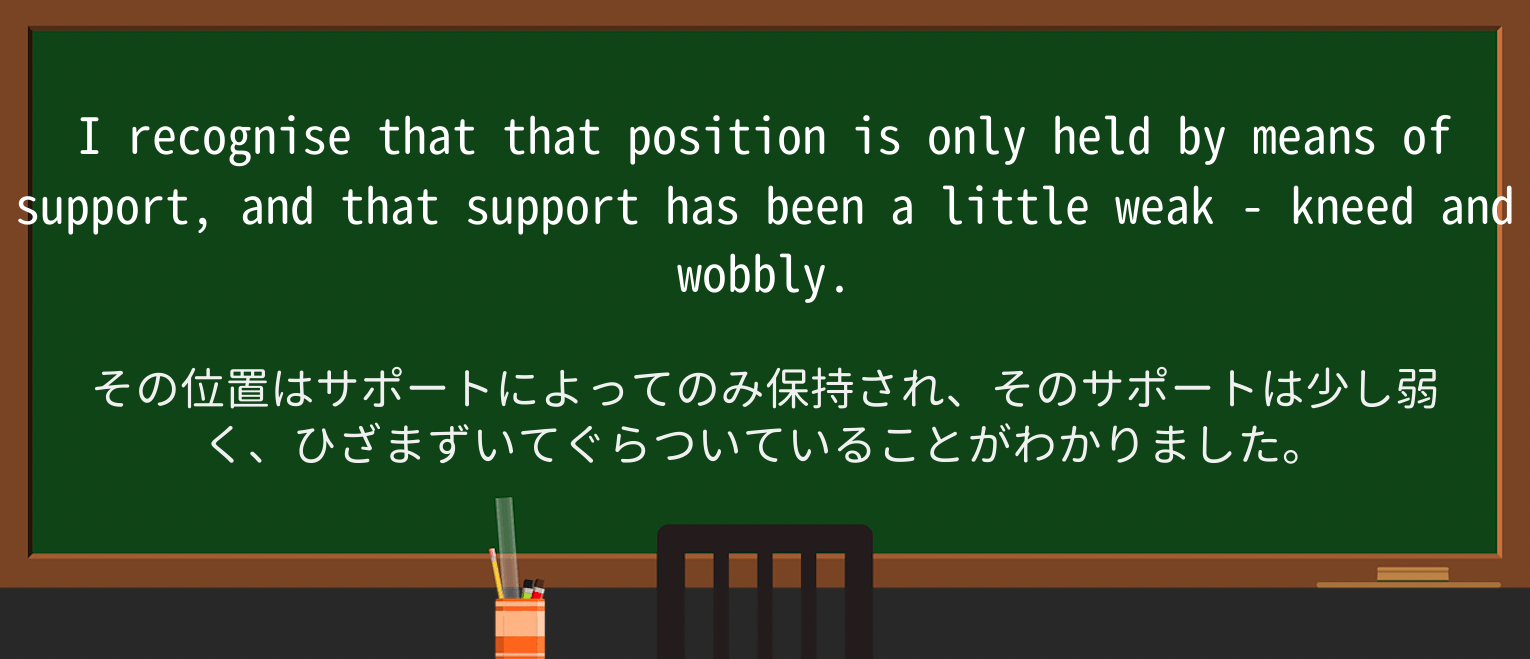
They said ‘Konoe is weak-kneed and useless.’
将校達は近衛は弱腰で役に立たない。」と述べた。
Dissatisfied with Hisamasa’s weak-kneed diplomacy, many of his vassals forced Hisamasa to retire for transferring his position as head of the family to Nagamasa AZAI, the heir to Hisamasa in 1560, when Nagamasa won a landslide victory over Yoshikata ROKKAKU at the Battle of Norada and became independent from the Rokkaku clan.
このような、久政の弱腰外交に家臣たちの多くが不満をもつようになり、1560年に久政の嫡男・浅井長政が野良田の戦いで六角義賢に大勝し六角氏から独立すると、家臣たちから家督を長政に譲ることを強要され、強制的に隠居させられることとなった。
Because he entered Kan’ei-ji Temple for disciplinary confinement as soon as the New Government designated him as the Imperial Court’s enemy, he was considered as a reasonable man who respected the Emperor and the Imperial Court (perhaps this was due to the teaching of Mito-han [Clan] that highly respected the Emperor and also to the fact that his mother was from the Imperial Family); however, on the other hand, he was also called weak-kneed because as the lord of his people, he was not able to stand resolutely in the face of the enemy.
新政府から朝敵とされるや否や、寛永寺に謹慎した事などから、天皇や朝廷を重んじる心ある者だと評価される(尊王思想である水戸学や、母親が皇室出身であることなどが多分に影響していると思われる)が、一方で、主君として敵に毅然とした対応を示さなかったため、弱腰とも言われた。
By collaborating with them who were pushing for realistic changes in government policy, aiming at participation in the administration, Mutsu dismissed the pressure by the hard-line six parties who condemned Mutsu diplomacy ‘weak-kneed‘ because he yielded to the Triple Intervention and couldn’t recover the tariff autonomy, then pursued and promoted the foreign policy with level-headed analysis based on the power politics.
陸奥は政権参画を目指して現実的な政策転換を進める彼らと連携することによって、三国干渉に屈して関税自主権を回復できなかった陸奥外交を軟弱と糾弾する硬六派の圧力を斥けて、パワー・ポリティックスに基づいた冷静な分析に基づいた外交政策を追及・推進した。
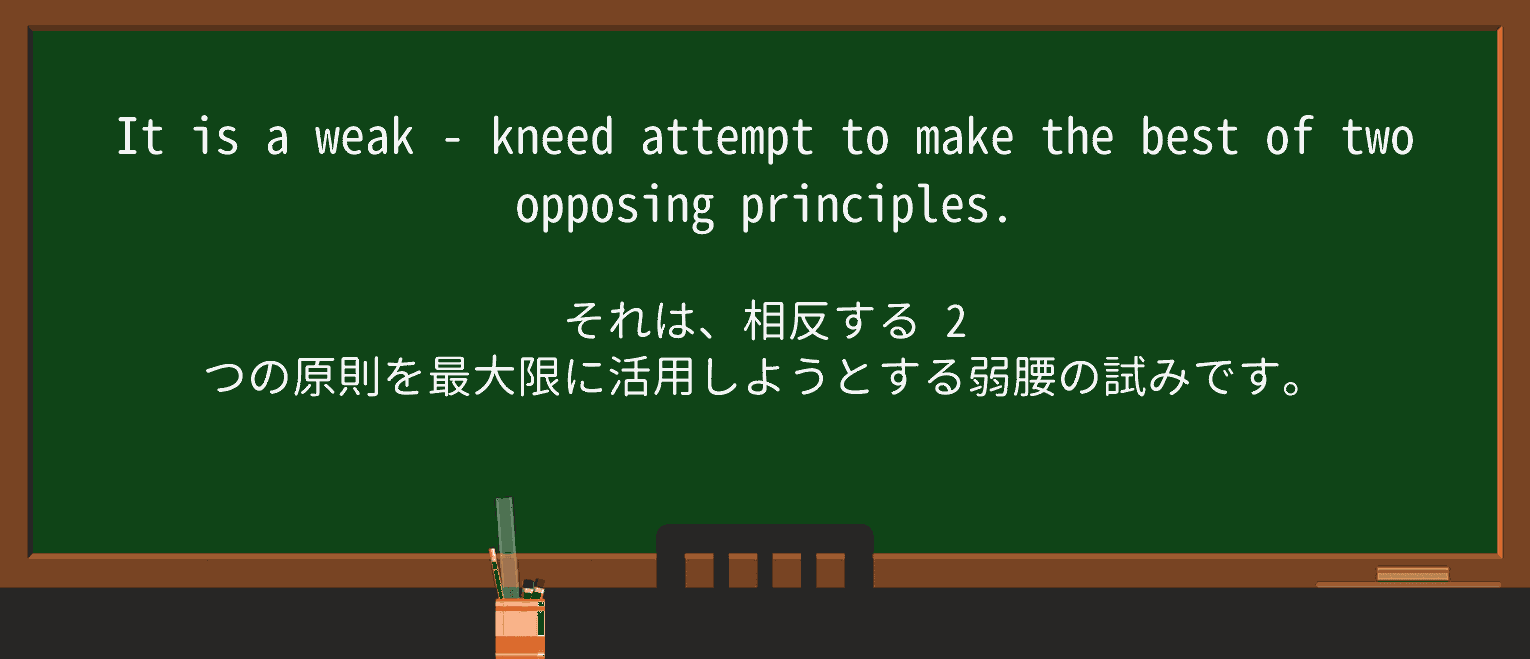
This means he cannot adopt what his people may perceive as “a weak-kneed approach” in dealing with Japan.
国民の目に弱腰と映るような対日政策は取れない。
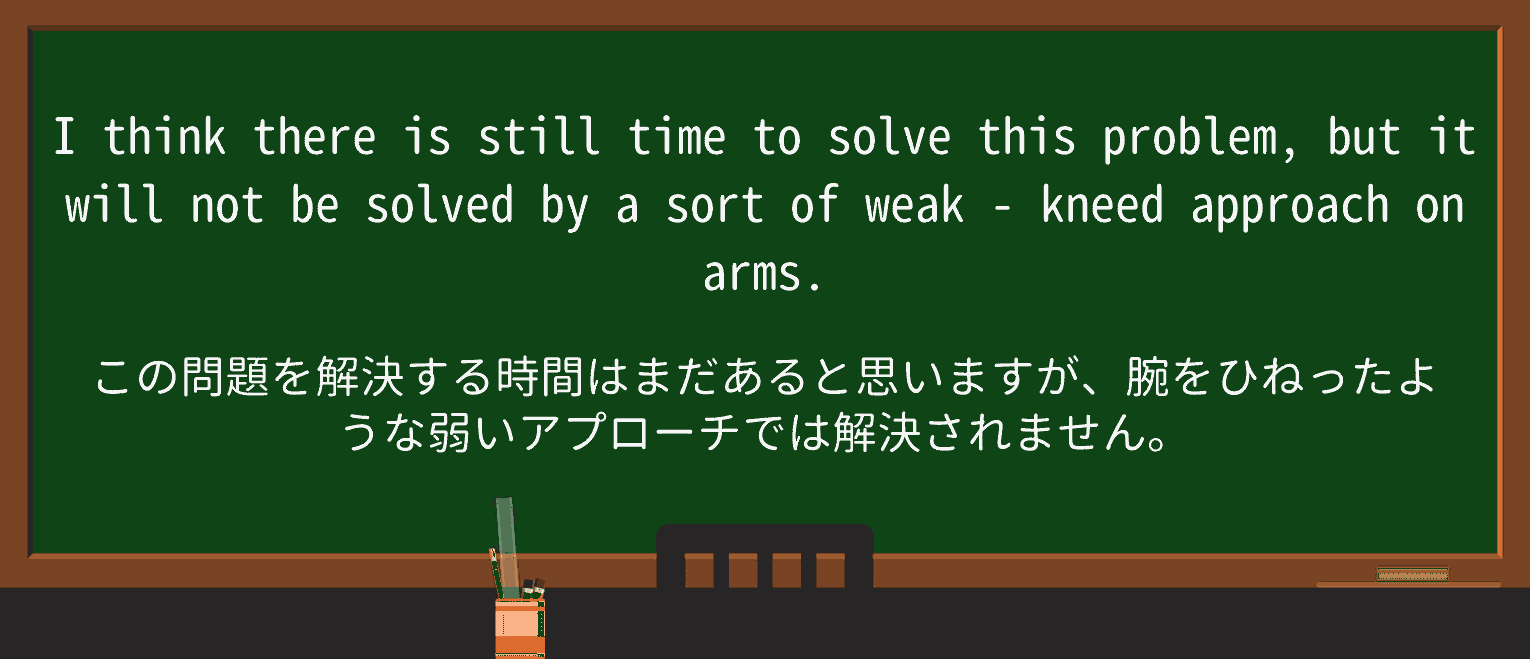
Because giving an impression of being weak-kneed is a political disadvantage, momentum to demonstrate a firm stance externally is likely to occur at all levels.
弱腰とみられることは政治的にマイナスで、どの層も対外的には強い態度を示すモメンタムが働きやすい。
The phrase describes a person who is bullish and bossy inside the house but weak-kneed and subdued when outside the house.
家の中では強気になって威張り散らすが、外では意気地が無くおとなしい人間のこと。
They figure they can use the appropriate code words and intimidate politically correct, weak-kneed Americans so much, they will be afraid to fight back.
彼等は適切なキーワードを使い政治的に正しくあろうとするアメリカ人を威嚇すれば腰抜けのアメリカ人は怖じ気づいて反撃しないと考えているのだ。
The Dai Nihon Kyokai condemned the Meiji government’s diplomacy as weak-kneed, and under the slogans of “the rigorous enforcement of the treaties,” “an autonomous foreign policy,” and “a hard-line stance against Qing,” it primarily advocated the refusal of all treaty revisions except for the conclusion of treaties on equal terms and opposition to mixed residence of foreigners and Japanese in Japan.
明治政府の外交を柔弱と非難して、条約励行・自主外交・対清強硬を掲げて対等条約締結以外の一切の条約改正の拒否、内地雑居反対論などを掲げた。